
Blog
Betritt man ein modernes Lager – von Shanghais E-Commerce-Zentren bis zu Berlins Kühlhäusern –, sieht man mit hoher Wahrscheinlichkeit Einfahrregale. Dieses System mit hoher Lagerdichte ermöglicht es Gabelstaplern, direkt in die Regale zu fahren und hat sich zu einem festen Bestandteil globaler Lieferketten entwickelt. Doch warum ist es so beliebt und gibt es weltweit unterschiedliche Einsatzmöglichkeiten? Wir wollen untersuchen, wie es die Lagerlandschaft rund um den Globus verändert.
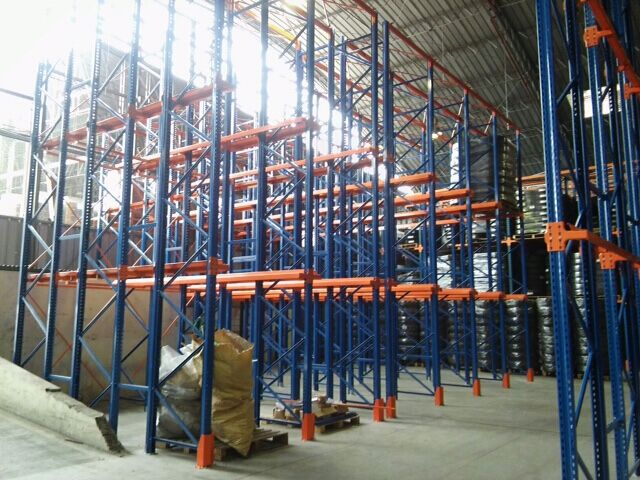
Erstens: Was macht Drive-In-Regalsysteme unersetzlich?
Der Hauptvorteil von Einfahrregalen liegt in der maximalen Lagerdichte – bis zu 75 % höher als bei herkömmlichen Regalsystemen – durch minimalen Platzbedarf in den Gängen. Sie nutzen das LIFO-Prinzip (Last-In, First-Out), ideal für haltbare Massenware oder Saisonartikel, und lassen sich dank ihres modularen Designs einfach installieren und umbauen.
Einfahrregale auf internationalen Märkten: Ausgereifte Anwendungen
In Europa, Nordamerika und Ozeanien sind Einfahrregalsysteme schon lange in Lagerhallen integriert und an die lokalen Bedürfnisse angepasst.
Europa: Kühlhaus- und Massengutverteilung
Die strengen europäischen Lebensmittelvorschriften machen Drive-in-Regale für Kühlhäuser unerlässlich. Länder wie Deutschland und die Niederlande nutzen sie, um den Platz in temperaturgeführten Anlagen optimal auszunutzen und Kühlkosten zu senken. Auch in der Automobil- und Luftfahrtindustrie werden sie zur Lagerung von Schüttgutteilen eingesetzt.
Nordamerika: E-Commerce und saisonale Lagerbestände
Das Wachstum des E-Commerce treibt die Verbreitung von Drive-in-Regalen in US-amerikanischen und kanadischen Fulfillment-Centern voran. Diese Regalsysteme eignen sich ideal für die Lagerung großer Mengen identischer Produkte. Sie helfen außerdem, kostspielige Erweiterungen in platzarmen Stadtgebieten zu vermeiden und werden für Autoteile und nicht temperaturempfindliche Chemikalien eingesetzt.
Ozeanien: Landwirtschaftliche und Bergbauversorgung
In Australien und Neuseeland werden Drive-in-Regale in der Landwirtschaft (Lagerung von Getreide und Düngemitteln) und im Bergbau (Lagerung von schweren Maschinenteilen) eingesetzt. Ihre Robustheit macht sie ideal für anspruchsvolle, abgelegene Umgebungen.
Drive-In-Regale in China: Rasantes Wachstum
Der Einsatz von Drive-in-Regalen in China boomt, angetrieben durch E-Commerce, Modernisierungen in der Produktion und die Nachfrage nach Kühlhäusern, wobei der Fokus auf Effizienz und intelligenter Technologie liegt.
E-Commerce-Fulfillment-Center
Giganten wie Alibaba und JD.com nutzen Einfahrregale, um die Lagerdichte in ihren Logistikzentren zu maximieren. 30 % der neuen E-Commerce-Lager in China verwenden diese Technologie bereits, und das Wachstum dürfte anhalten.
Kühlhäuser für Lebensmittel und Pharmazeutika
Die steigende Nachfrage nach frischen und tiefgekühlten Lebensmitteln treibt den Einsatz von Kühltechnologie in Kühlhäusern voran und senkt so die Kühlkosten. Auch Pharmaunternehmen nutzen sie für die Lagerung von nicht temperaturempfindlichen Massengütern und erfüllen damit die GMP-Standards.
Fertigungs- und Automobilsektor
Chinas Fertigungsindustrie (insbesondere im Bereich der Elektrofahrzeuge und Elektronik) setzt auf Einfahrregale für Rohstoffe und Komponenten. Sie ist zudem mit IoT- und Digital-Twin-Technologien für intelligentere Betriebsabläufe integriert.
Globale Gemeinsamkeiten und wesentliche Unterschiede
Während alle Regionen Einfahrregale für große Mengen homogener Güter und zur Platzersparnis nutzen, unterscheiden sich die Anwendungsbereiche: Europa konzentriert sich auf die Einhaltung der Kühlkette, Nordamerika auf den E-Commerce und China auf schnelles Wachstum und intelligente Integration. In etablierten Märkten gelten strengere Sicherheitsstandards.
13. März 2026
Von Daphne Wang

Hinzufügen : NO.409 West Jianshe Road, Economic Development Zone, Jinhu County, Jiangsu Province, China
Bitte lesen Sie weiter, bleiben Sie auf dem Laufenden, abonnieren Sie uns und wir heißen Sie herzlich willkommen, uns Ihre Meinung mitzuteilen.


Copyright
2026@ Jiangsu Kingmore Storage Equipment Manufacturing Co., Ltd Alle Rechte vorbehalten.
Sitemap
| Blog
| Xml
| Datenschutzrichtlinie
 Netzwerkunterstützung
 Deutsch
 English
 español
 日本語
日本語 한국의
한국의 français
 العربية
 português
 中文
中文 русский